The evolution of gambling tracing its historical roots and cultural significance
The Ancient Origins of Gambling
The history of gambling can be traced back thousands of years to ancient civilizations. Archaeological evidence suggests that games of chance were played in Mesopotamia around 3000 BCE. These early games often involved dice made from bones, stones, or other materials. In ancient China, gambling was also prevalent, with references to rudimentary games found in texts dating back to around 200 BCE. As players explore the best online casinos, they can appreciate how these ancient practices have evolved into modern forms of gaming.
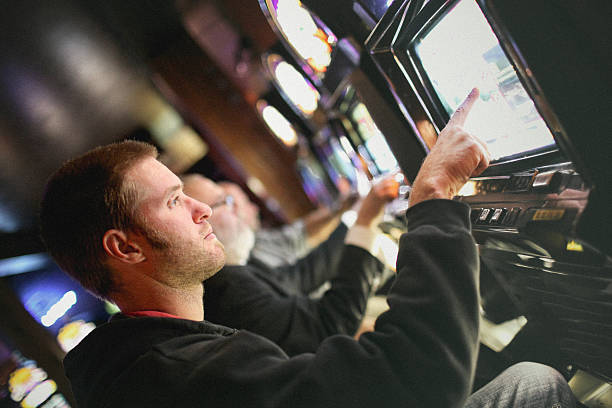
As these early societies developed, gambling became intertwined with cultural and religious practices. The Chinese, for instance, associated games of chance with fate and fortune, often involving divination elements. In Egypt, the use of dice and betting on animal races reflected both leisure and competition, signaling the beginnings of a complex relationship between society and gambling.
The Evolution Through the Ages
As civilizations advanced, so did gambling. The Greeks and Romans embraced gaming, integrating it into their social fabric. The Romans organized elaborate betting games, including chariot races, which drew large crowds and involved significant wagers. This practice not only entertained but also stimulated economic activity, showcasing gambling’s role in both culture and commerce.
During the Middle Ages, gambling faced various restrictions, yet it persisted clandestinely. The emergence of card games in Europe during this period marked a pivotal development. By the 15th century, betting on card games had become popular across the continent, leading to the establishment of public gambling houses, setting the stage for modern casinos.
The Birth of Modern Gambling Institutions
The 17th century heralded the establishment of the first official casinos in Italy. The Ridotto in Venice, opened in 1638, was one of the earliest public gambling houses, setting standards for future establishments. These casinos catered to the elite, providing a luxurious atmosphere for gambling, and included games like baccarat and faro, which remain popular today.
Throughout the 18th and 19th centuries, gambling spread globally, with various cultures adopting and adapting it. In the United States, the gold rush led to a surge in gambling, especially in mining towns. The first official casino, the Monte Carlo Casino, opened in 1863, further popularizing the gambling culture and influencing the development of gambling laws and regulations worldwide.
The Cultural Significance of Gambling
Gambling has long played a significant role in cultural expressions across the globe. It serves not only as entertainment but also as a means of social interaction and community bonding. In many cultures, traditional games reflect historical narratives, moral teachings, and social values, indicating gambling’s deep-rooted significance beyond mere financial stakes.
Moreover, gambling has influenced literature, art, and music, with countless works dedicated to its themes. From Shakespearean plays to contemporary films, the allure of gambling has inspired creative expression. The duality of chance and skill also offers rich philosophical discussions on risk and reward, further embedding gambling into the cultural consciousness.

Exploring Online Gambling in Today’s Society
In recent years, the rise of online gambling has transformed the landscape, offering unprecedented access to gaming experiences. Digital platforms have become popular worldwide, attracting millions of players who seek the thrill of gambling from the comfort of their homes. This evolution reflects technological advancements and changing societal attitudes towards gambling.
Today, online casinos provide extensive options, from traditional poker to innovative slot machines, appealing to diverse preferences. Communities around online gambling have formed, allowing players to share experiences, strategies, and insights. These platforms emphasize safe gaming environments, responsible gambling practices, and customer engagement, shaping the future of gambling in a digital age.
Leave a Reply